
LIPO-C WITH M.C.D.
This injection is generally used as part of a comprehensive weight management program that includes a healthy diet and exercise. The formula is designed to enhance the body's natural fat processing capabilities.
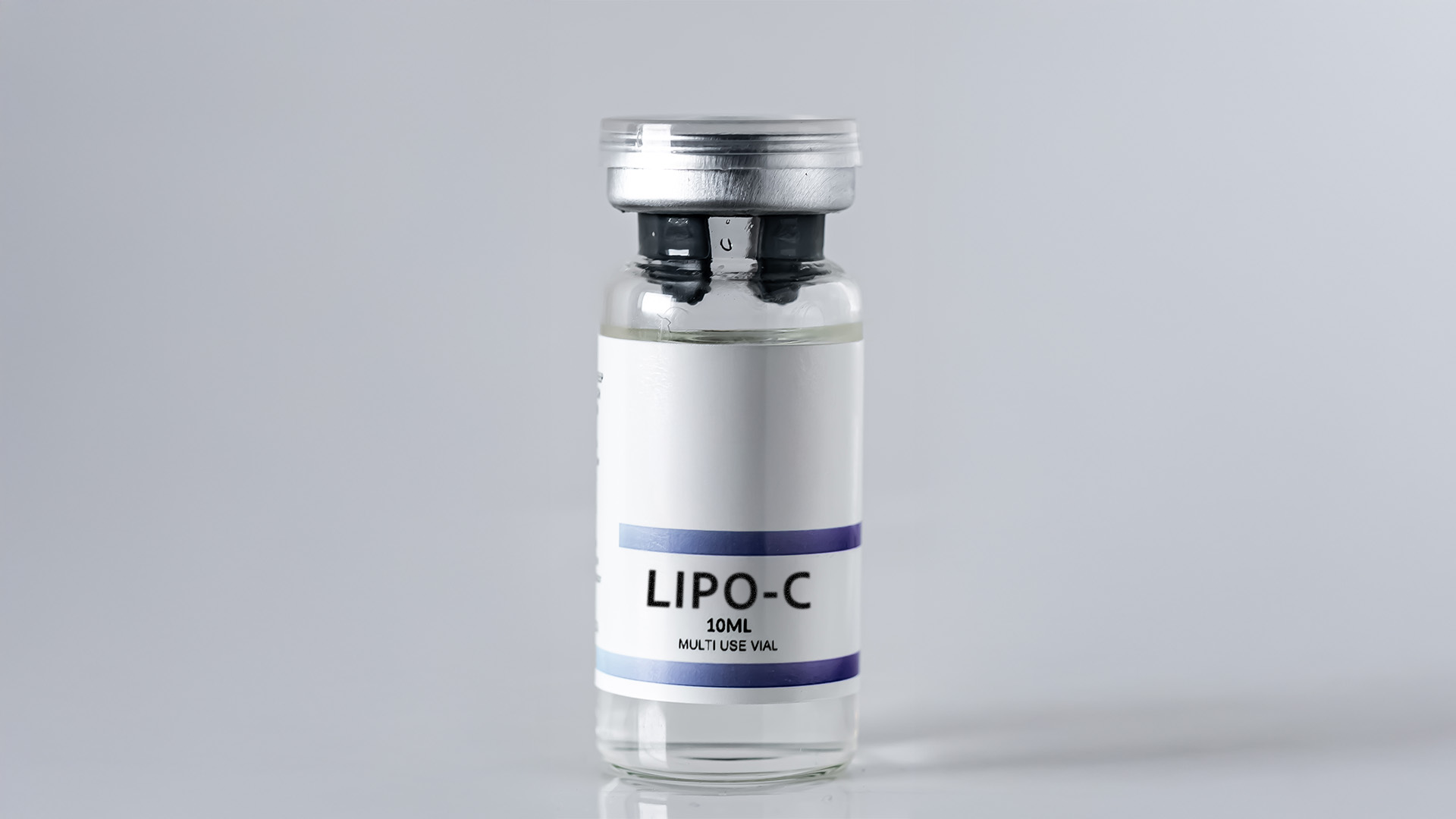
LIPO-C WITH M.C.D. OVERVIEW
Category: Lipotropic Nutrient and Methyl Donor Injection
How It Works: The solution is specifically designed to enhance mitochondrial beta-oxidation (fat burning) through the combined action of three key components. Methionine, L-Carnitine, and Dexpanthenol/B5)
Chemical Structure: Not Applicable

Alternative Names: Super MIC Blend, Fat Transporter Injections
CAS Number: Not Applicable
WHAT IS LIPO-C WITH M.C.D.
This specific LIPO-C formulation is a compounded injectable solution designed to deliver highly bioavailable metabolic cofactors directly to the body. It goes beyond the basic MIC blend (Methionine, Inositol, Choline) by adding L-Carnitine and Dexpanthenol (Vitamin B5).
Lipo-C is generally used as part of a comprehensive weight management program including a healthy diet and exercise.
The compounded lipotropic injection contains a mixture of nutrients and amino acids intended to support fat metabolism, boost energy, and preserve lean muscle mass through direct action:
-
Methionine: A methyl donor, used to optimize liver processing.
-
L-Carnitine: The primary fatty acid transporter, added to directly accelerate the transport and utilization of fat for cellular energy.
-
Dexpanthenol (Vitamin B5): A Coenzyme A precursor, included to enhance the efficiency of the fat burning process.
This blend supports fat metabolism, boosts energy, and helps preserve lean muscle mass.
WHAT DOES LIPO-C WITH M.C.D.DO?
The synergy of this LIPO-C formula is rooted in the entire lipid metabolism cascade, ensuring that fat is not only processed by the liver but is efficiently consumed by the muscles for energy. The blend helps maintain the body's nitrogen balance, contributing to the preservation of lean muscle mass while the patient is calorie-restricted.
Ingredient Roles in Fat Breakdown
-
Preparation and Liver Support (Methionine): Methionine is an essential amino acid that helps the liver effectively process fatty acids, playing a key role in the breakdown and metabolism of fats. It helps convert fat into usable energy in the liver and prevents fat buildup (NAFLD). Choline (if included) synthesizes Lecithin to mobilize stored fat.
-
Mitochondrial Entry (L-Carnitine): L-Carnitine is an amino acid critical for the transport of long-chain fatty acids into the mitochondrial matrix. Without sufficient L-Carnitine, fats cannot be burned efficiently and may accumulate. Supplementation ensures the body prioritizes fat over glucose or muscle protein for energy.
-
Metabolic Ignition (Dexpanthenol/Vitamin B5): Dexpanthenol is a form of Vitamin B5, essential for the formation of Coenzyme A (CoA). CoA is necessary for the initial steps of beta-oxidation and linking fatty acid metabolism to the TCA (Krebs) Cycle for final energy extraction.
BENEFITS/ CLINICAL TRIALS
Mega-Burn is an augmented LIPO-C blend (Lipotropic B12) that includes six additional B vitamins, plus Sodium Ascorbate (Vitamin C) and L-Carnitine. The therapeutic rationale for this augmented blend is to target common metabolic bottlenecks, particularly in individuals with pre-existing metabolic dysfunction.
Enhanced Composition and Function
The additional B vitamins and other nutrients in Mega-Burn work synergistically to convert food into energy and support metabolic health.
-
L-Carnitine: This key component transports fatty acids to the mitochondria, which is where they are essentially burned as fuel, supporting energy transfer and buffering excess acyl-CoA accumulation.
-
B-Vitamins: The blend supports the metabolism of carbohydrates, proteins, and fats.
-
Thiamine (B1): Plays a central role in the generation of energy from carbohydrates.
-
Riboflavin (B2): Involved in the catabolism (breakdown) of fatty acids.
-
Niacinamide (B3): Involved in energy transfer reactions in the metabolism of glucose, fat, and alcohol.
-
Dexpanthenol (B5): Involved in the oxidation of fatty acids and carbohydrates.
-
Pyridoxyl (B6): Serves mainly in amino acid metabolism.
-
MTHF (Folate): Plays an important role in detoxification of a variety of toxins.
-
-
Sodium Ascorbate (Vitamin C): Has general immune boosting properties and can also help the body fight infection.
Key Observed Benefits (Adjunctive Therapy)
-
Enhanced Fat Oxidation: Maximizes the body's ability to use stored fat for energy, supporting weight loss when paired with caloric deficit. L-Carnitine supplementation has demonstrated efficacy in increasing maximal oxygen consumption and modest weight loss in meta-analyses, particularly when combined with exercise.
-
Increased Endurance and Recovery: L-Carnitine has been shown to reduce muscle fatigue and may enhance athletic performance by improving energy transfer.
-
Improved Hepatic Function: Supports the liver's primary role in detoxification and prevents fatty liver disease (Methionine and Choline are vital here).
-
Neurological Support: Methionine and Choline are vital for neurotransmitter synthesis and nerve signal transmission.
Clinical Trial Findings
-
L-Carnitine Research: Research supports the role of L-Carnitine in improving energy transfer and its effectiveness in treating carnitine deficiency states.
-
MIC Efficacy: While MIC injections are widely used, limited randomized controlled trial (RCT) data specifically isolates their weight loss effect from diet and exercise. Their primary proven benefit lies in correcting nutritional deficiencies and supporting liver function.
SIDE EFFECTS
LIPO-C compounds are generally well-tolerated since they are essential nutrients and amino acids. Side effects are typically mild and transient.
Common Side Effects
-
Local Reactions: The most frequently observed adverse reactions are injection site reactions, including soreness, pain, redness, warmth, or swelling at the Intramuscular (IM) or Subcutaneous (SubQ) injection site. These are usually mild and resolve quickly.
-
Digestive Issues: Mild digestive disturbances like nausea, constipation, or diarrhea can occur, often due to the sudden influx of nutrients and minerals.
-
Unique Side Effect: A transient "fishy" body odor is sometimes reported. This is due to trimethylamine, a metabolic breakdown product following high-dose L-Carnitine and Choline administration.
-
Other Symptoms: Some individuals report headaches, dizziness, or mild cramping.
Contraindications and Cautions
Due to the metabolic and detoxification roles of the ingredients, caution is necessary in certain patient populations.
-
Severe Organ Impairment: LIPO-C is contraindicated in patients with severe hepatic failure or advanced renal impairment, as Methionine and L-Carnitine accumulation could pose systemic risks.
-
Anticoagulants: L-Carnitine has been reported to potentially potentiate the anticoagulant effect of warfarin. Patients on warfarin require close monitoring of their International Normalized Ratio (INR).
-
Parkinson's Disease Medication: High-dose Methionine may interfere with L-Dopa (Carbidopa) regimens used for Parkinson's disease by increasing the peripheral methylation of L-Dopa.
IS LIPO-C WITH M.C.D.SAFE?
LIPO-C injections are compounded formulations and are not FDA-approved as a unified drug.
Critical Safety and Administration
When administered under qualified medical supervision, the components themselves have established safety profiles as vitamins and nutrients. However, due to the high, concentrated doses used, the ultimate safety relies on strict protocols:
-
Medical Supervision is Crucial: Lipo-C injections should only be administered under the guidance of a qualified healthcare professional. This professional can determine proper dosing, monitor progress, and watch for adverse reactions.
-
Excluding Patients with Contraindications: Safety relies heavily on excluding patients with contraindications. People with certain pre-existing conditions, such as liver or kidney disease, severe hepatic failure, or a known hypersensitivity to any of the ingredients, should avoid Lipo-C or use it with extreme caution after consulting a specialist.
-
Sterile Preparation: Safety relies on pharmaceutical-grade compounding and sterile administration technique.
-
Potential Drug Interactions: High-dose methionine may interact with certain antiparkinsonian medications (L-dopa-carbidopa regimens), so patients with Parkinson's disease should exercise caution and consult their neurologist.
Safety Takeaway
Due to the factors above, its use should always be as a support tool alongside a physician-supervised diet and exercise program, ensuring that patients with contraindications are excluded and that administration is sterile.
DOSAGE
Dosing for LIPO-C is personalized based on patient metabolic needs and is not standardized by the FDA. The dosage depends on the intent of treatment and the patient’s response.
Administration and Frequency
-
Administration: Typically administered via Intramuscular (IM) injection once per week. Subcutaneous (SubQ) injection is also used.
-
Frequency: Usually administered once weekly for the duration of the cycle (for EXAMPLE: 4 to 12 weeks). Patients should follow their provider’s instructions on how much and how often to utilize LIPO-C injections.
Dosage Range
-
Volume: Inject 1 to 3 mL delivered 2–3 times per week via subcutaneous or intramuscular injection.
-
Compounded Dosing: Dosing range is highly variable, but doses are often supraphysiological (higher than natural) to achieve therapeutic effect. L-Carnitine is often dosed in the hundreds of milligrams per injection.
WHERE TO BUY LIPO-C WITH M.C.D.
Researchers should always vet their sources to ensure that a few key factors are present in their test subjects. With the rise in peptide popularity in recent years, many companies have created peptides that undergo little to no testing, quality standards, or regulations. As it is not regulated by the FDA, researchers must do their due diligence and look closely at the company's practices and standards.
When selecting a supplier for LIPO-C with M.C.D., focus on transparency and quality assurance, not customer testimonials:
- Quality Documentation: A reputable supplier must provide:
- Certificate of Analysis (COA): This document must be recent (corresponding to the batch/lot number purchased) and demonstrate a minimum purity of >95% via High-Performance Liquid Chromatography (HPLC) testing.
- Mass Spectrometry (MS) Data: The COA must include mass spectrometry (MS) confirmation to verify the compound’s exact molecular weight, confirming its chemical identity.
- Contaminant Testing: Look for reports on heavy metals, microbial load, and solvent residues (e.g., residual trifluoroacetic acid, or TFA). The presence of these contaminants can severely compromise research and introduce unknown toxicity.
- Vendor Verification and Transparency
-
Specialization: Prioritize vendors who specialize in the manufacturing and distribution of peptides for academic and biotechnology research, rather than general supplement vendors.
-
Manufacturing Origin: Inquire about the source of the raw materials and the manufacturing protocols. Ideal suppliers adhere to strict quality control processes.
-
Handling & Storage: The supplier must provide clear documentation on the proper storage and handling procedures for the peptide to maintain its stability and integrity.
-
Conclusion on Procurement: Given the high risk of contamination, mislabeling, and legal ambiguity. The use of LIPO-C with M.C.D. outside of this defined research context poses unacceptable, unquantified risks to human health.
REFERENCES
- LIPO-C Injections, www.defymedical.com/wp-content/uploads/2024/01/LIPO-C-Injections-V1-12.14.23.pdf. Accessed 22 Nov. 2025.
- “Lipotropic Injections for Weight Loss.” Dr. Jennifer Cova The Complete Women’s Practice Ob/Gyn and MedSpa Services, 26 June 2024, drcova.com/obgyn/lipotronic-injections-for-weight-loss/#:~:text=Mega%2DBurn&text=Mega%2DBurn%20contains%20the%20ingredients,are%20essentially%20burned%20as%20fuel.
- “Lipotropic Injections.” Millennium Physicians, 26 June 2023, millenniumphysicians.com/lipotropic-injections/#:~:text=Side%20Effects%20of%20Lipo%20Injections,Headaches%2C%20light%20headedness.
- “Lipo-C Injectable, 10ML (Empower Formula).” Defy Medical, www.defymedicalstore.com/221-emp#:~:text=Each%20bottle%20of%20Lipo%2DC,need%20to%20give%20a%20shot? Accessed 22 Nov. 2025.
-
Creative Proteomics. "Overview of $\text{Methionine}$ $\text{Cycle}$ and $\text{Folate}$ $\text{Metabolism}$."
-
MDPI (ID 2072-6643/12/8/2178). "The Importance of the $\text{Fatty}$ $\text{Acid}$ $\text{Transporter}$ $\text{L-Carnitine}$ in $\text{Non-Alcoholic}$ $\text{Fatty}$ $\text{Liver}$ $\text{Disease}$ ($\text{NAFLD}$)."
-
Empower Pharmacy. "$\text{Lipo-C}$ $\text{Injection}$."
-
Millennium Physicians. "$\text{Lipotropic}$ $\text{Injections}$."
-
Linus Pauling Institute, Oregon State University. "$\text{Pantothenic}$ $\text{Acid}$."
-
Austin Plastic & Reconstructive Surgery. "$\text{Lipo-C}$ $\text{injections}$."
-
Taylor & Francis. "$\text{Coenzyme}$ $\text{A}$ – $\text{Knowledge}$ $\text{and}$ $\text{References}$."
The PrepTide: Disclaimer
