
5AM-1MQ
Selectively inhibits the Nicotinamide N-methyltransferase (NNMT) enzyme to increase cellular NAD+ levels and metabolic expenditure.
5AM-1MQ OVERVIEW
Category: Small Molecule / Selective Enzyme Inhibitor (NNMTi)
How It Works: Selectively inhibits the Nicotinamide N-methyltransferase (NNMT) enzyme to increase cellular NAD+ levels and metabolic expenditure.
Chemical Structure: C10H11N2+

Alternative Names: 5-Amino-1-methylquinolinium; NNMTi; 5-AMQ.
CAS Number: 42464-96-0
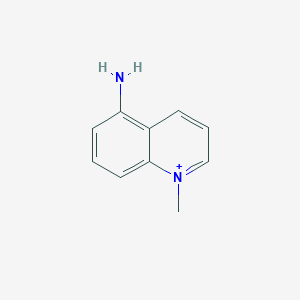
WHAT IS 5AM-1MQ
5-Amino-1MQ is a membrane-permeable small molecule that acts as a potent and selective inhibitor of the enzyme Nicotinamide N-methyltransferase (NNMT). Unlike traditional peptides that act on hormone receptors (like GHRPs), 5-Amino-1MQ works at the enzymatic level to "unblock" cellular metabolism. Originally characterized by researchers at the University of Texas Medical Branch (UTMB), it is currently the most studied NNMT inhibitor for metabolic optimization and age-reversal.
WHAT DOES 5AM-1MQ DO?
The primary role of 5-Amino-1MQ is to disable the "metabolic brake" known as NNMT.
-
NAD+ Preservation: NNMT is the primary consumer of methyl donors that would otherwise be used to recycle Nicotinamide (NAM) into NAD+. By blocking this enzyme, 5-Amino-1MQ prevents NAD+ depletion.
-
Adipocyte Remodeling: It shifts white adipose tissue (fat) from a state of energy storage to energy expenditure by upregulating SIRT1 and AMPK pathways.
-
GLUT4 Expression: It increases the expression of glucose transporter 4 (GLUT4), improving how muscle and fat cells pull sugar from the bloodstream for fuel.
BENEFITS/ CLINICAL TRIALS
-
Adiposity Reduction: Preclinical data (UTMB, 2018) demonstrated a 7% reduction in body mass and a 30% reduction in adipocyte volume over a 10-day period without caloric restriction.
-
Muscle Synergy (PoWeR Protocol): Data published in Scientific Reports (2024) indicated that NNMT inhibition combined with exercise yields a 60% increase in grip strength (compared to 40% with exercise alone) and significantly reduced recovery times.
-
GLP-1 Sarcopenia Mitigation: New 2025/2026 observational studies suggest 5-Amino-1MQ helps preserve lean muscle mass in patients undergoing rapid weight loss via GLP-1 receptor agonists (e.g., Semaglutide).
-
Lipid Profile Optimization: Significant reductions in plasma total cholesterol and triglycerides have been observed in diet-induced obesity models.
SIDE EFFECTS
-
Circadian Impact: Upregulation of NAD+ and ATP may cause mild insomnia or restlessness if administered in the evening.
-
Metabolic Stimulation: Potential for mild thermogenesis (increased body heat) or transient jitteriness.
-
Gastrointestinal: Low incidence of mild nausea reported in oral administration models.
IS 5AM-1MQ SAFE?
As of 2026, 5-Amino-1MQ is classified as a Research Chemical.
-
FDA Status: Not currently approved for human consumption or therapeutic use. It is not listed on the 503B compounding bulk substances list (per FDA Warning Letter, Jan 2026).
-
Toxicity: Preclinical trials indicate no observable adverse effects on hepatic, renal, or cardiovascular systems at standard research dosages (5 mg/kg - 20 mg/kg in murine models).
-
RESEARCH USE ONLY (RUO): This compound is intended for laboratory research purposes only. It is not for human or veterinary use.
-
NOT AN FDA-APPROVED DRUG: 5-Amino-1MQ has not been evaluated by the U.S. Food and Drug Administration (FDA) for safety, efficacy, or quality. It is not intended to diagnose, treat, cure, or prevent any disease.
-
MISBRANDING WARNING: The information provided is for educational and scientific purposes. Any claims regarding the "safety" or "effectiveness" of this compound in humans are purely theoretical based on preclinical animal models.
DOSAGE
-
Oral: 50 mg to 100 mg daily.
-
Subcutaneous (Injectable): 1.25 mg to 2.5 mg daily.
-
Pharmacokinetics: Exhibits a half-life of approximately 6–8 hours, suggesting a split-dosing schedule (AM/PM) for maximum enzymatic coverage.
RECONSTITUTION
-
Vial Size: 5 mg Lyophilized Powder.
-
Diluent: 2.0 mL Bacteriostatic Water (BAC).
-
Final Concentration: 2.5 mg / 1.0 mL.
-
Measurement: 50 units on a standard U-100 syringe = 1.25 mg.
Step by step guidelines
WHERE TO BUY 5AM-1MQ
Researchers should always vet their sources to ensure that a few key factors are present in their test subjects. With the rise in peptide popularity in recent years, many companies have created peptides that undergo little to no testing, quality standards, or regulations. As it is not regulated by the FDA, researchers must do their due diligence and look closely at the company's practices and standards.
When selecting a supplier for 5AM-1MQ, focus on transparency and quality assurance, not customer testimonials:
- Quality Documentation: A reputable supplier must provide:
- Certificate of Analysis (COA): This document must be recent (corresponding to the batch/lot number purchased) and demonstrate a minimum purity of >95% via High-Performance Liquid Chromatography (HPLC) testing.
- Mass Spectrometry (MS) Data: The COA must include mass spectrometry (MS) confirmation to verify the compound’s exact molecular weight, confirming its chemical identity.
- Contaminant Testing: Look for reports on heavy metals, microbial load, and solvent residues (e.g., residual trifluoroacetic acid, or TFA). The presence of these contaminants can severely compromise research and introduce unknown toxicity.
- Vendor Verification and Transparency
-
Specialization: Prioritize vendors who specialize in the manufacturing and distribution of peptides for academic and biotechnology research, rather than general supplement vendors.
-
Manufacturing Origin: Inquire about the source of the raw materials and the manufacturing protocols. Ideal suppliers adhere to strict quality control processes.
-
Handling & Storage: The supplier must provide clear documentation on the proper storage and handling procedures for the peptide to maintain its stability and integrity.
-
Conclusion on Procurement: Given the high risk of contamination, mislabeling, and legal ambiguity. The use of 5AM-1MQ outside of this defined research context poses unacceptable, unquantified risks to human health.
REFERENCES
-
Neelakantan, H., et al. (2018). "Selective and membrane-permeable small molecule inhibitors of NNMT reverse high fat diet-induced obesity." Biochemical Pharmacology.
-
Scientific Reports (2024). "The PoWeR Protocol: NNMT inhibition additively enhances muscle performance with exercise."
-
FDA.gov (Jan 20, 2026). Warning Letter: GenoGenix LLC - Regarding 5-Amino-1MQ and 503B Compounding.
-
Nature Communications (2025). "Mitochondrial Respiration and NNMT Expression in Aged Skeletal Muscle."
-
MDPI Pharmaceutics (2026). "NNMT as a Therapeutic Target in Metabolic and Cardiovascular Disease."
- National Center for Biotechnology Information. (2024). PubChem compound summary for CID 11005238, 5-Amino-1-methylquinolinium.
The PrepTide: Disclaimer
